
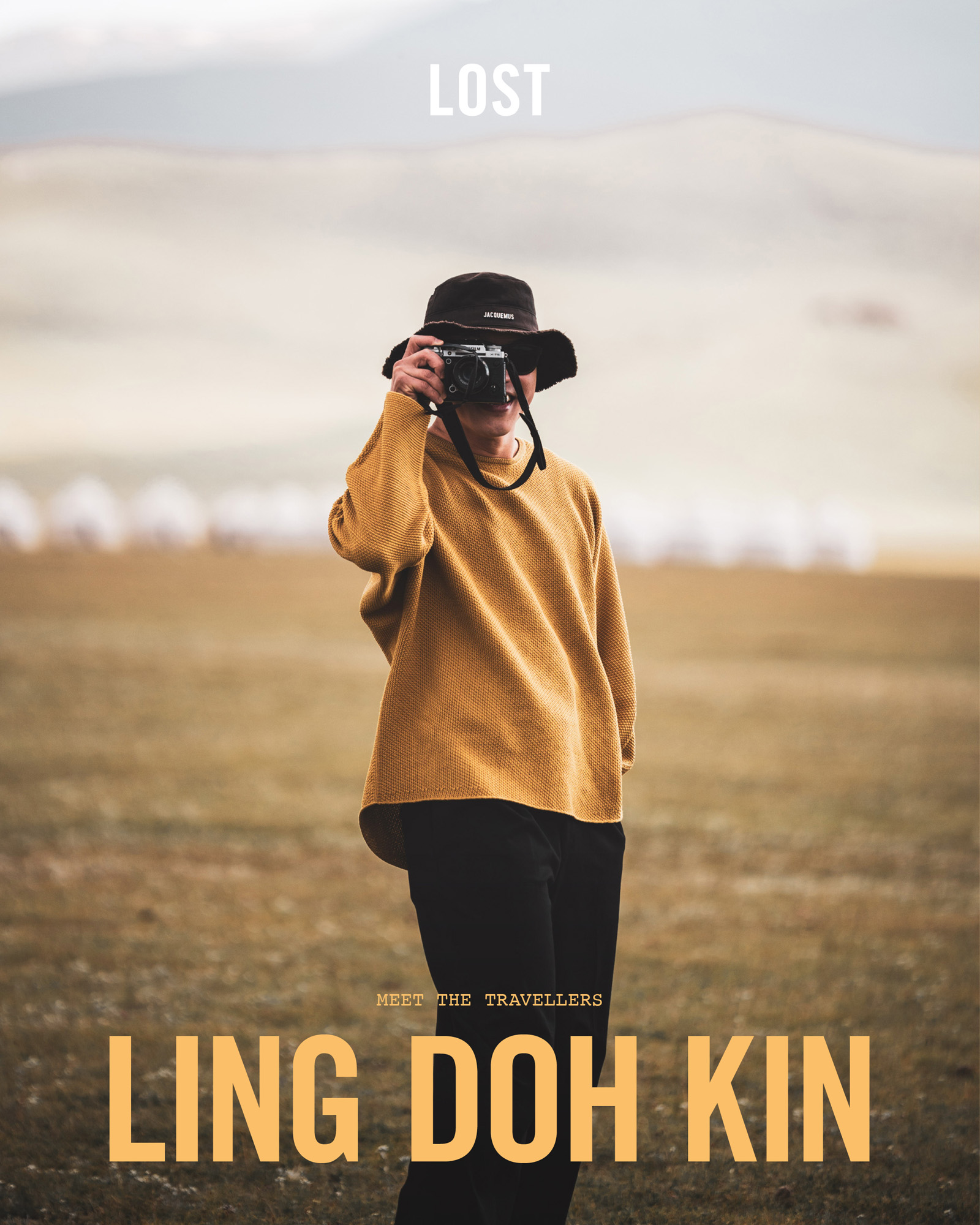
MEET THE TRAVELLERS:
LING DOH KIN
在這個愈發動盪不安的世界裡,旅行所帶來的,不只是短暫的逃離,更是一種重新連結美好、好奇心與希望的方式。對旅遊作家、攝影師及電子旅遊雜誌《大腳印》創辦人林道錦而言,旅行是他十六年來持續不斷的探索與追尋。從搭便車的冒險、偏遠山谷的漫遊,到入住奢華酒店,以及獨立出版自己的作品,他的旅程始終以不同的形式展開,並由對人與故事的深深著迷所引領。透過文字、攝影,以及獲獎攝影文集《誰在縫隙裡種光 Komorebi – Stories of Light》,道錦分享旅行如何持續塑造他對世界的理解,也提醒自己:在不確定的時代,光依然存在。
In a world that often feels increasingly chaotic, travel offers more than just an escape — it is a way of reconnecting with beauty, curiosity, and hope. For Ling Doh Kin, travel writer, photographer, and founder of Bigfoottraveller.com, travel has been a lifelong pursuit of discovery for more than 16 years. From hitchhiking adventures and remote mountain valleys to luxury hotels and independent publishing, his journey has taken various forms, guided by a deep fascination with people and the stories they carry. Through his writing, photography, and award-winning photobook Komorebi – Stories of Light, Doh Kin reflects on how travel continues to shape his understanding of the world, reminding him that even in uncertain times, there is still light to be found.
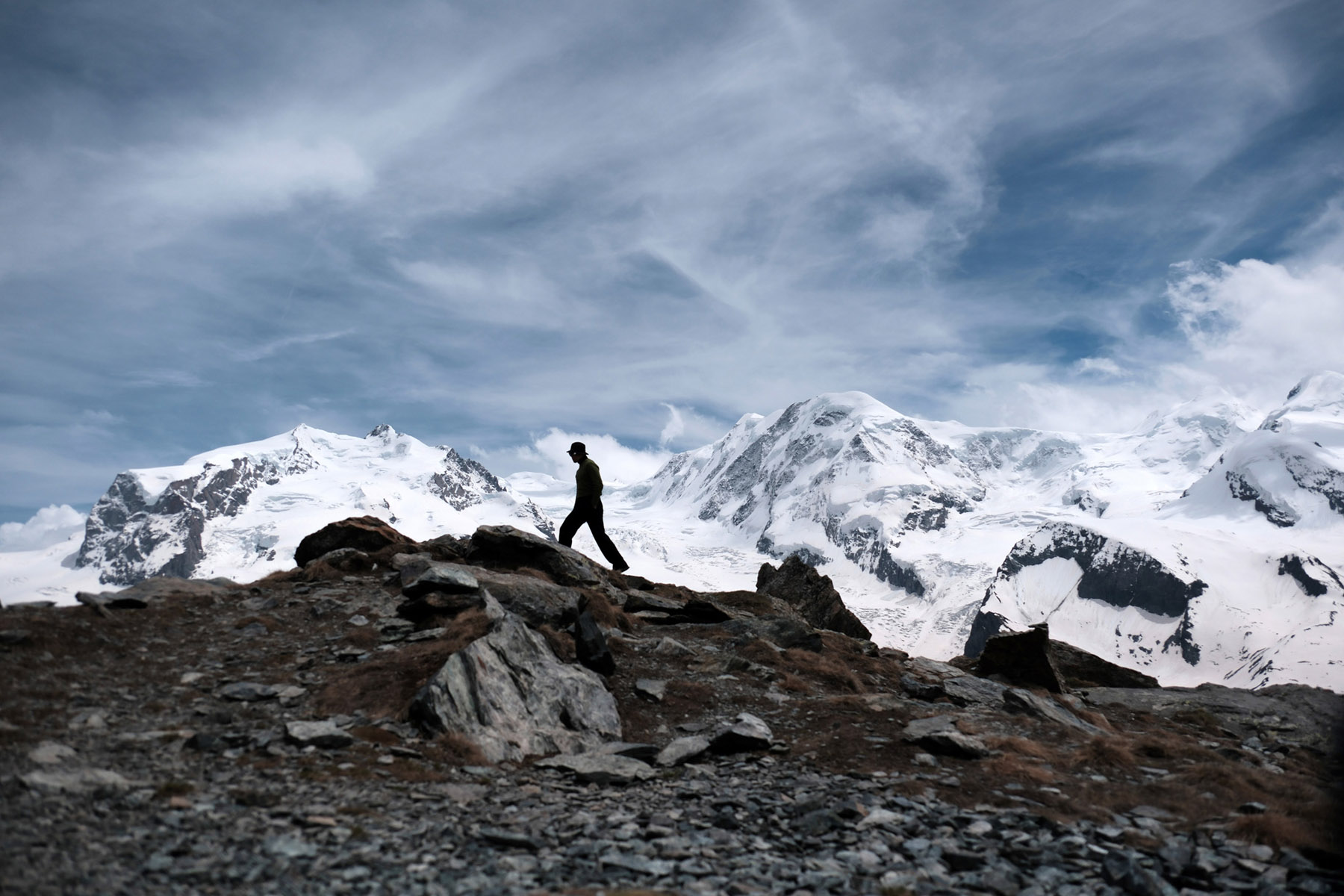
你覺得自己是什麼樣的旅行者?
How would you describe yourself as a traveller?
我覺得自己是個「嘗試型」的旅行者。挺分裂的(雙子座,如果你相信星座),喜歡探險,也喜歡逛藝廊和設計精品店。可以為了拍照,犧牲睡眠抹黑出門,也可以賴在酒店的床上,遲遲不出門。
多年來,我總想把不同的旅行方式都活一次,試過了,才知道自己喜不喜歡。背包旅行、搭便車、沙發衝浪、自駕、露營、打工度假;潛水、爬山、徒步、單車、美食,甚至遊輪旅行,都曾體驗過。也因為工作的關係,體會過旅行最奢華的一面。
我一直很享受那種「切換」(能屈能伸!)—— 有時住青年旅館,有時入住奢華酒店;有時和朋友上山下海,有時一個人走進陌生城市;有時把行程排得滿滿的,有時無所事事。旅行久了,我反而不再執著於形式(跟小團我也可以接受)。重要的是,你有沒有在路上,重新打開自己,不斷認識自己。
I think I’m more of an experimenter when it comes to travel. I suppose I have a bit of a split personality — maybe a Gemini, if you believe in horoscopes. On one hand, I love adventurous experiences; on the other, I’m just as happy wandering through an art gallery or a quiet design boutique. I can wake up at dawn to catch a sunrise or stay up late photographing the aurora, but I can also spend a slow morning simply lingering in a hotel room until noon.
Over the years, I’ve tried many forms of travelling — backpacking, hitchhiking, couch-surfing, self-driving, camping, working holidays. I’ve also tried scuba diving, freediving, hiking, cycling, gone on food journeys, and even cruises. Through work, I’ve also experienced some of the most luxurious hotels in the world.
What I’ve come to enjoy most is this ease of switching between different ways of travelling. I no longer care so much about how I travel. What matters more is the urge to go out and be on the road itself.
旅行與您的職業相關嗎?
Is travel related to your professional work?
是息息相關的。我是電子旅遊雜誌《大腳印》的創辦人,是一名旅遊寫作人,也做攝影。因為能寫也能拍,因此偶爾會接到出差的邀請,到不同地方採訪、拍照。
去年(2025年),因為開始籌備獨立出版自己的第一本旅遊攝影文集,我又多了一個新的身份 ——「一人出版社」。從撰稿、攝影,到參與設計、印刷、發行與宣傳,幾乎都是自己一個人完成。
Very much so. I’m the founder of Bigfoottraveller.com, an online travel magazine. I’m also a travel writer and photographer, so I often travel for work, either to do interviews or to take photographs.
In 2025, I independently published my first photobook. Well, not exactly a “book” in the traditional sense, which I’ll explain later. In many ways, I suddenly became a one-man publisher. I write, photograph, and am deeply involved in the design and printing process, as well as distribution and promotion. I handled almost everything myself.
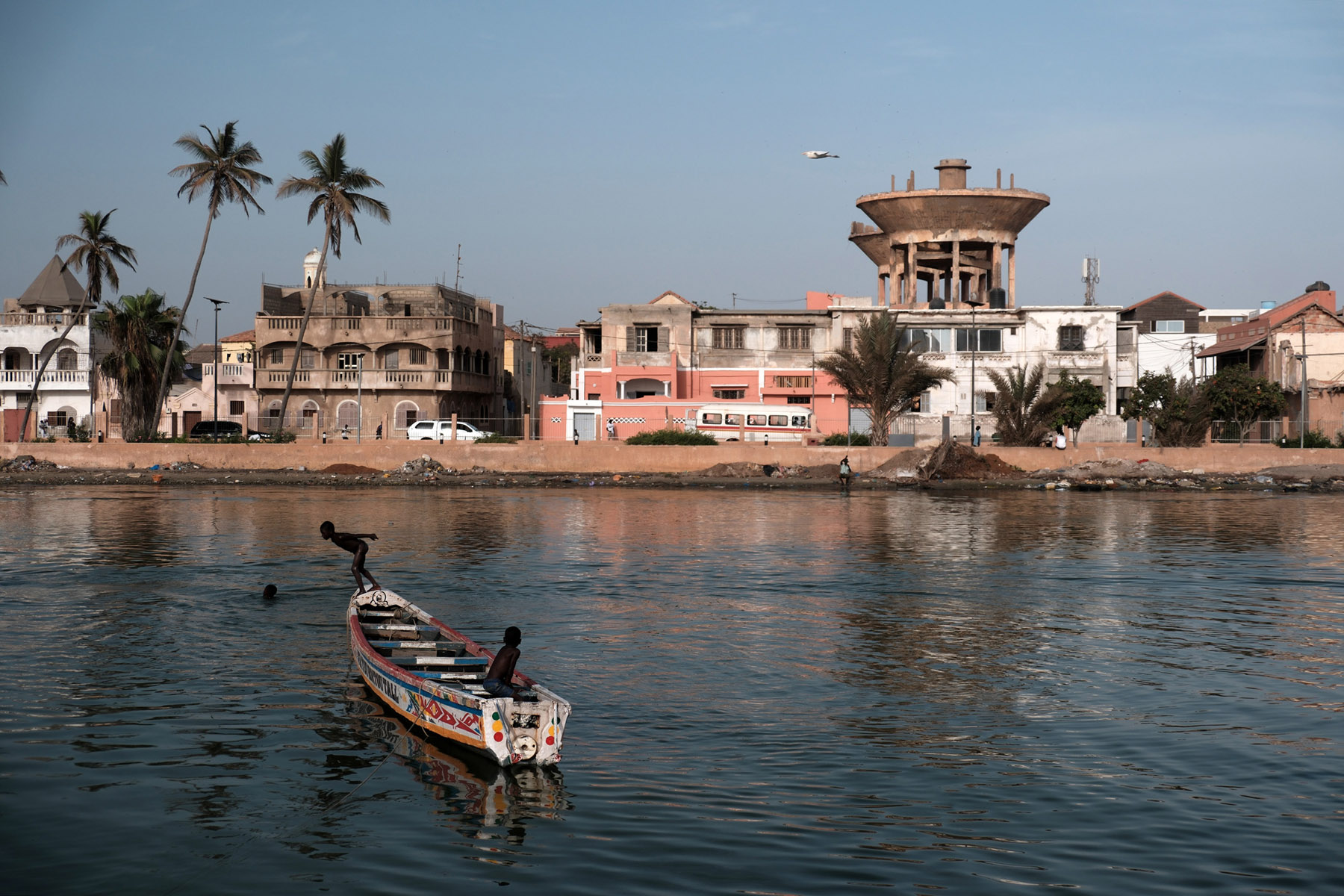
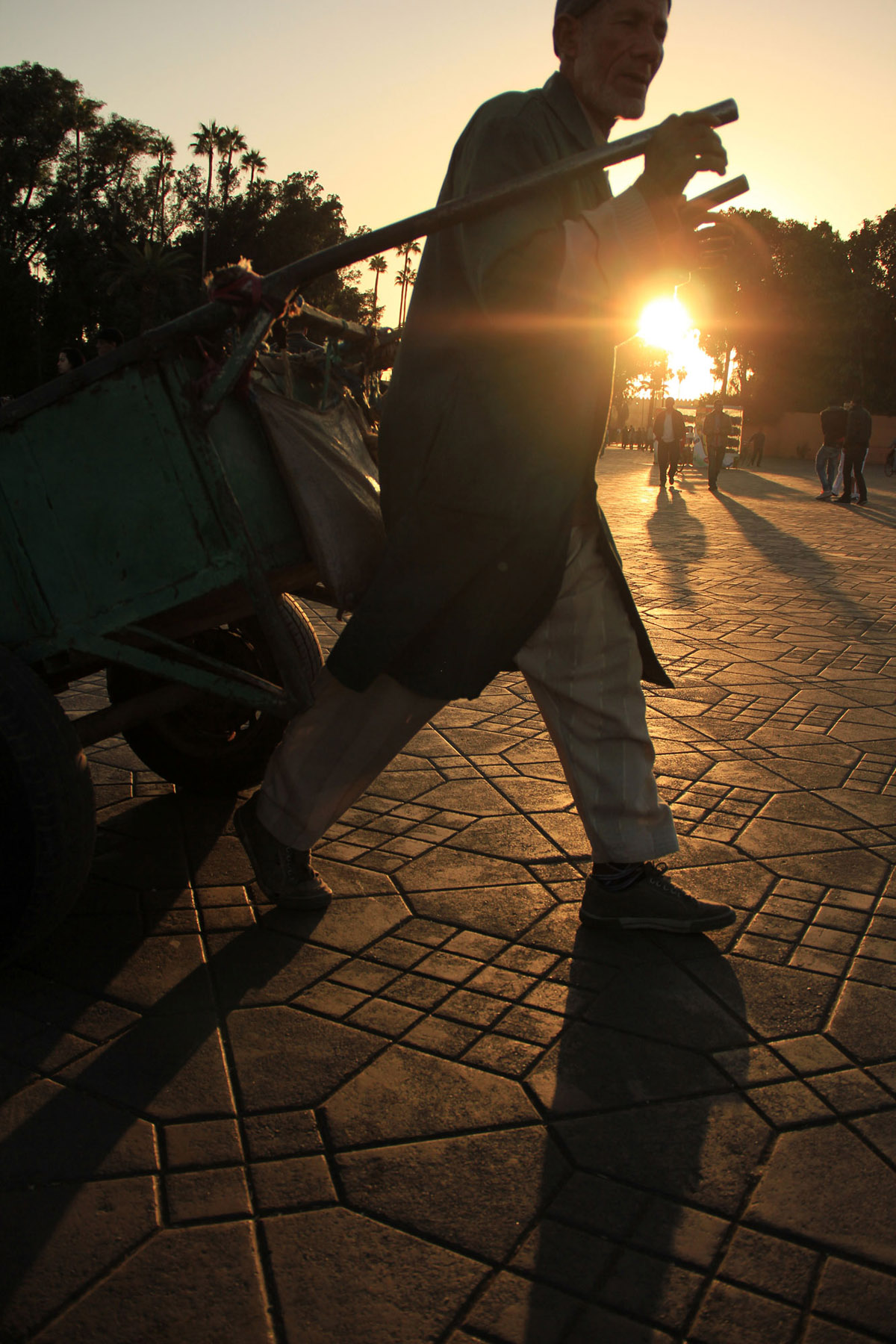
請介紹一下《大腳印》!是什麼促使你創辦了這本線上雜誌?
Tell us about Big Foot Traveller! What led you to start this online web-zine?
《大腳印》是我在2010年創辦的。那時候正是「部落格」最盛行的年代,很多人喜歡在網路上寫文字、分享照片。
當時在新馬,其實還沒有真正的電子旅遊雜誌,紙媒還處於高處。我在想,如果有一個比部落格更有系統一點的平台,讓熱愛旅行的人可以更完整地分享自己的故事與經驗,應該會是一件很有趣的事。
於是我開始邀請身邊的朋友,一起投稿、寫遊記、分享真實的旅遊路線、感受與實用資訊,用文字和照片去「引誘」更多人出遊。
沒想到一做,就是16年。現在累積了超過120位來自新馬、台灣、香港、中國大陸等地的作者,一路走到今天。
It’s a long story! I started Bigfoottraveller.com in 2010, back when Blogspot was a popular platform for sharing thoughts, stories, and photographs. As far as I remember, there wasn’t really a dedicated travel web-zine in this part of the world at the time.
I thought it would be interesting to create a more structured platform — something beyond a personal blog — where fellow travellers could share their stories in a more intentional way. So I decided to start one.
I reached out to friends with similar interests and invited them to contribute travel stories, itineraries, and practical tips. Through words and images, we wanted to inspire people and perhaps even tempt them to travel.
It has now been 16 years. Today, we have over 120 writers from across the region.
經營 「大腳印」如何影響了你對旅行的理解?
How has running Big Foot Traveller influenced your understanding of travel?
透過《大腳印》,我結識了各種各樣不同類型的旅行者,他們用各自的方式去看世界。有騎單車從東京騎到曼徹斯特的,有裸辭去旅行的,有到義大利採橄欖的,有到格陵蘭教書的,也有帶著母親去旅行的……他們打開了我對「旅行也可以是這樣」的想像,旅行其實是自己的,不需要迎合他人,被別人的眼光定義。
同時,他們也讓我看見旅行的另一面。它並不總是風景與美好回憶。有人遇過扒手,有人遺失護照,有人跌倒受傷,有人經歷高山症,也有人在旅途中遇上生命的離去。
這些第一手的故事讓我明白,旅行從來不是單一的經驗,它同時包含了風險、失控,以及必須承擔的現實。
Over the years, through Bigfoottraveller.com, I’ve met many travellers with very different ways of seeing the world. Some cycle from Tokyo to Manchester, some quit their jobs to travel full-time, some go to Italy to pick olives, some teach in Greenland, and some simply travel with their mothers. Meeting these travellers has expanded my understanding of travel — it has made me more open-minded, and reminded me that travel is ultimately a personal choice and expression of freedom.
At the same time, I’ve also come to realise that not all travel stories are light-hearted. There is a more difficult side to it as well. Some travellers were pickpocketed, some lost their passports, some suffered from altitude sickness, some were seriously injured in accidents, and some even witnessed tragic loss.
These firsthand stories have taught me that travel also carries risk, and it requires awareness and a certain level of care and responsibility.
是什麼讓你想要出發踏上旅程?
What motivates you to set off on a journey?
我其實是個很喜歡安穩生活的人,而且年紀越大越明顯。喜歡待在熟悉的地方,過過小日子。但內心又一直住著另一個自己,對世界充滿好奇。在家待久了,就會開始想看看別的風景、別人的生活方式。
經歷冠疫之後,我也更深刻地意識到,旅行並不是理所當然的事。有些地方,不一定會永遠都在;有些心情,也未必會一直停留在原地。當然,還有體能,也不可能永遠維持在巔峰。因此,現在如果真的很想去某個地方,我會希望自己不要等太久。
As I grow older, I find myself enjoying a more mundane, grounded lifestyle. I like staying put in places that feel familiar, and there is a certain comfort in that. And yet, there is still another curious side of me that never fully settles. I can stay in one place for a few months, but after a while, I start to feel the urge to venture out again.
After the pandemic, I also realised that travelling is no longer something to take for granted. Places change, and so do sentiments. And of course, energy levels are not always the same over time. So now, whenever there is somewhere I truly want to go, I try not to wait too long.
你通常怎麼決定去哪裡、待多久?
How do you plan or decide on where to go and for how long?
我心裡一直有一份旅遊清單,而且還在不斷增加。有些地方是透過閱讀認識的,有些則是在社交平台上看見,被吸引。有時候朋友會約我一起出遊,如果那個地方剛好也在我的清單裡,我通常會很快答應。出差也是一樣,如果是我一直嚮往的地方,幾乎都會一口答應。
有時候就是這樣,先到先得。
至於頻率,過去幾年大概平均每兩個月會出發一次,每次大約一到三週。
There’s always a travel checklist in mind, and it keeps growing over time. Some places I discover through reading, others I come across on social media or through friends. Sometimes friends invite me to join an adventure, and sometimes it’s work that takes me somewhere. If the destination happens to be on my checklist, I’ll usually say yes quite quickly.
I guess it’s a kind of “first come, first served” situation.
In terms of frequency, I travel on average once every two months, usually for about one to three weeks each time.

旅行對你來說有什麼意義?
What does travel mean to you?
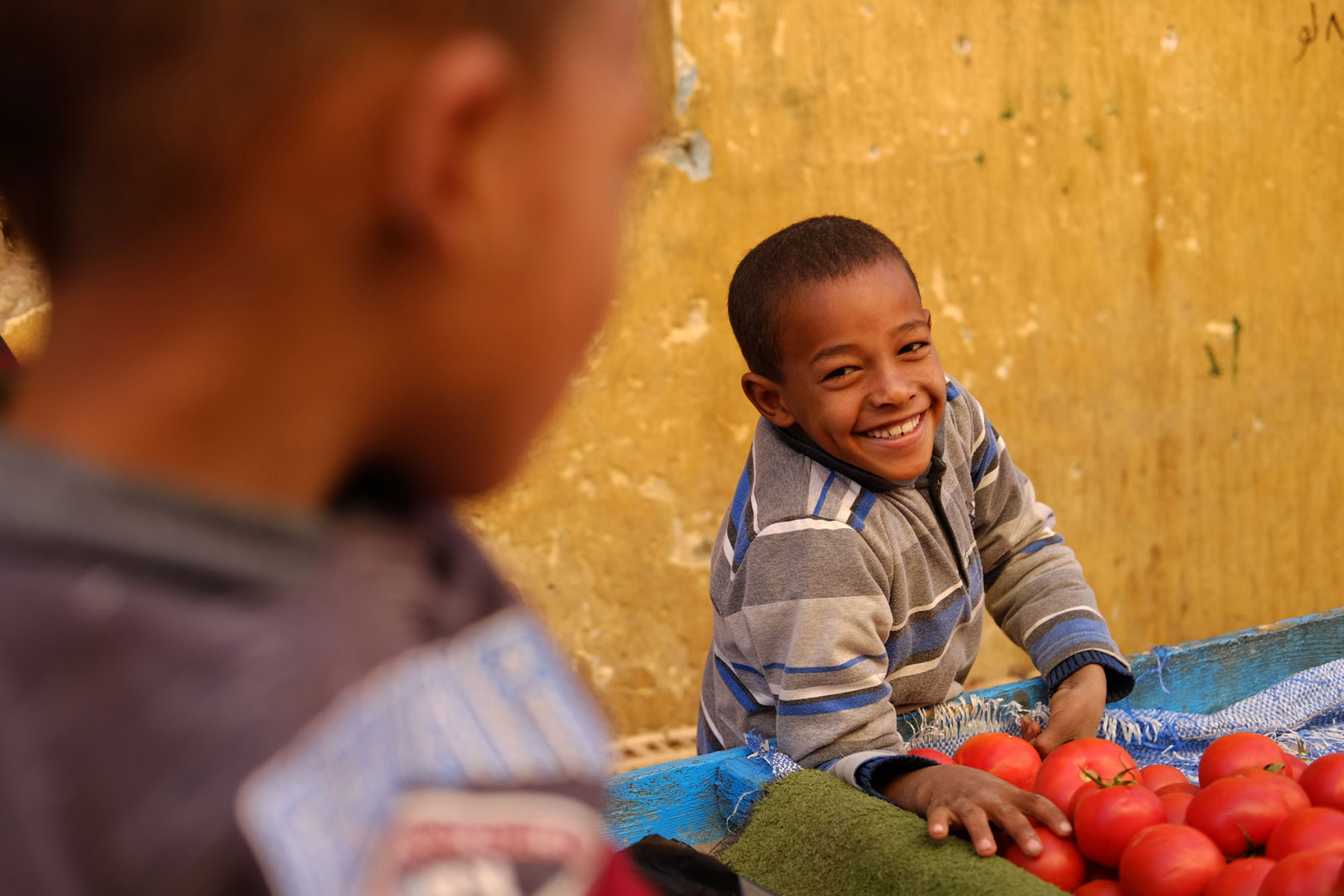
近幾年,世界總是動盪不安。天災、人禍、戰爭,好像一直在不同地方發生著。在家的日子,我會習慣性在晚上八點打開新聞,但看到的,往往都是一些讓人沉重的內容。也因此,每一次出發旅行,都像是讓自己換一個呼吸的節奏。在路上看到的風景、遇見的人,會慢慢把內心那些細小的裂縫,一點一點修補回來,也常常在旅行途中深刻地感覺到:這個世界其實依舊是美麗的。
We live in a rather chaotic world right now, even more so after the COVID-19 pandemic. It often feels like something unsettling is happening somewhere in the world at any given time. When I’m at home, I have a habit of watching the news at 8 p.m. every day. It can be quite heavy sometimes. For me, travelling feels like a way of resetting that mental space. Through the kind people I meet along the way, and the unexpected beauty of places I come across, I’m reminded again and again that this world is still incredibly beautiful.
你在旅行中希望找到什麼或體驗什麼?
What do you hope to find or experience during your travels?
我不找。很多時候,反而是那些不期而遇的風景與人,更讓我印象深刻及珍惜。
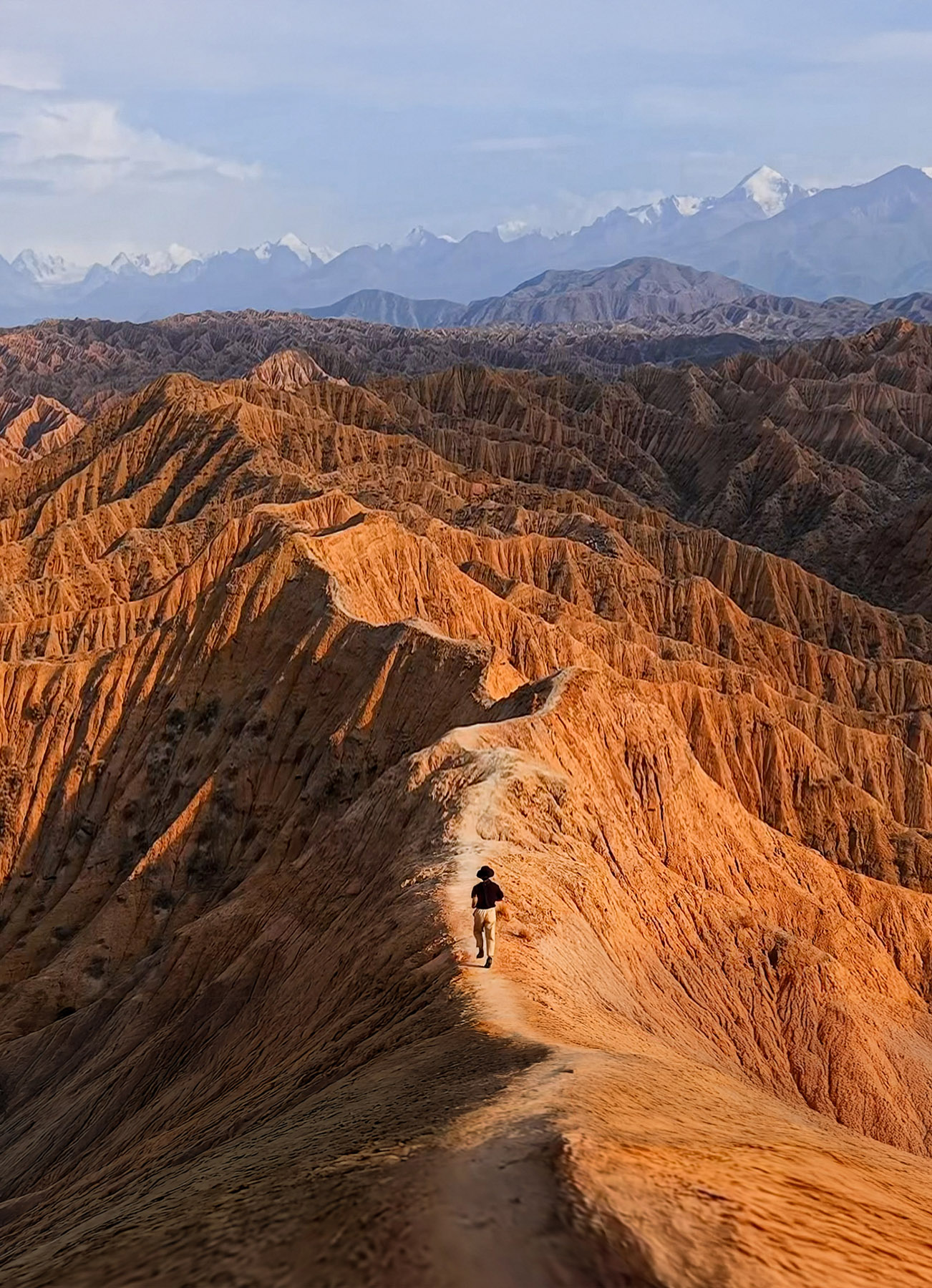
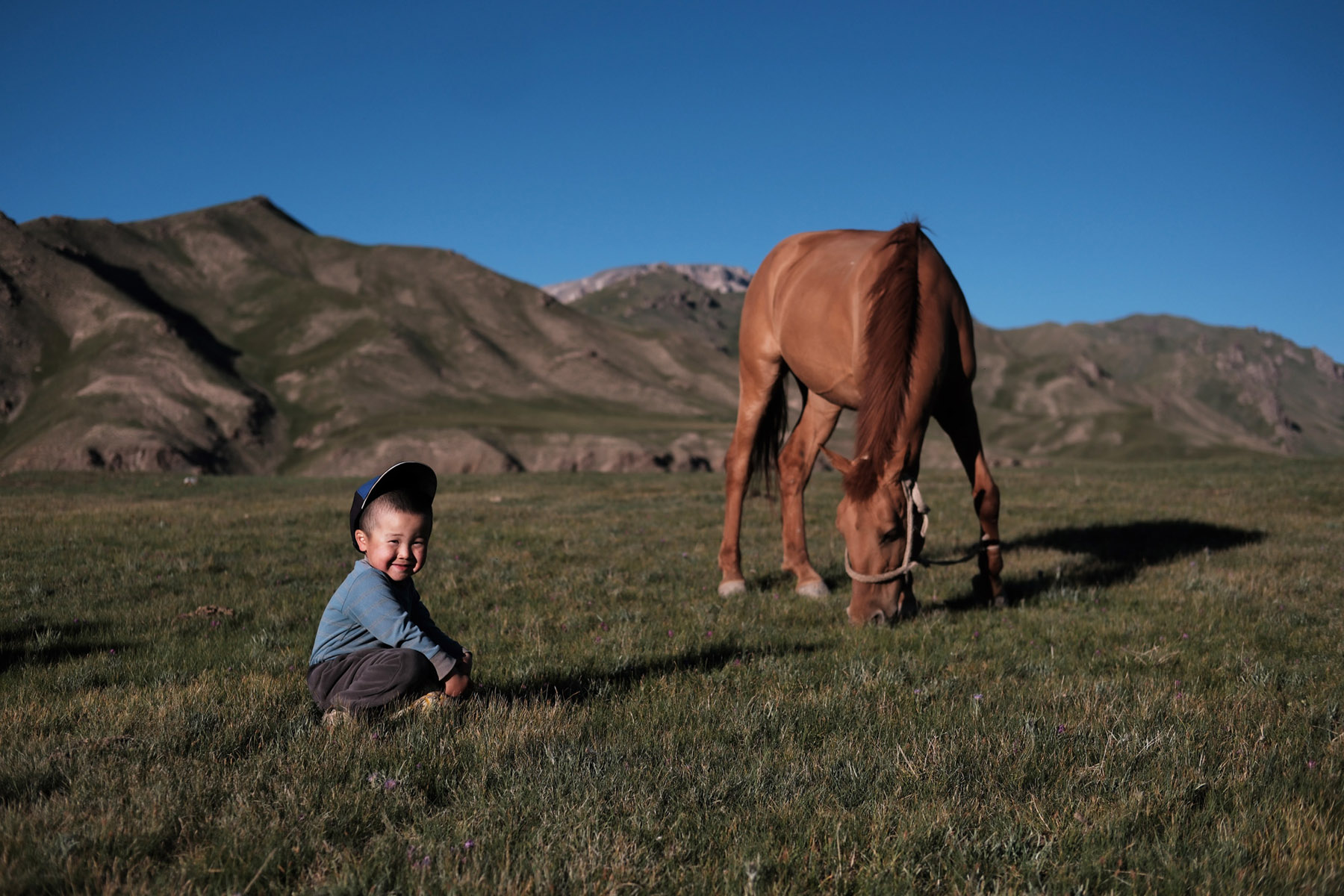
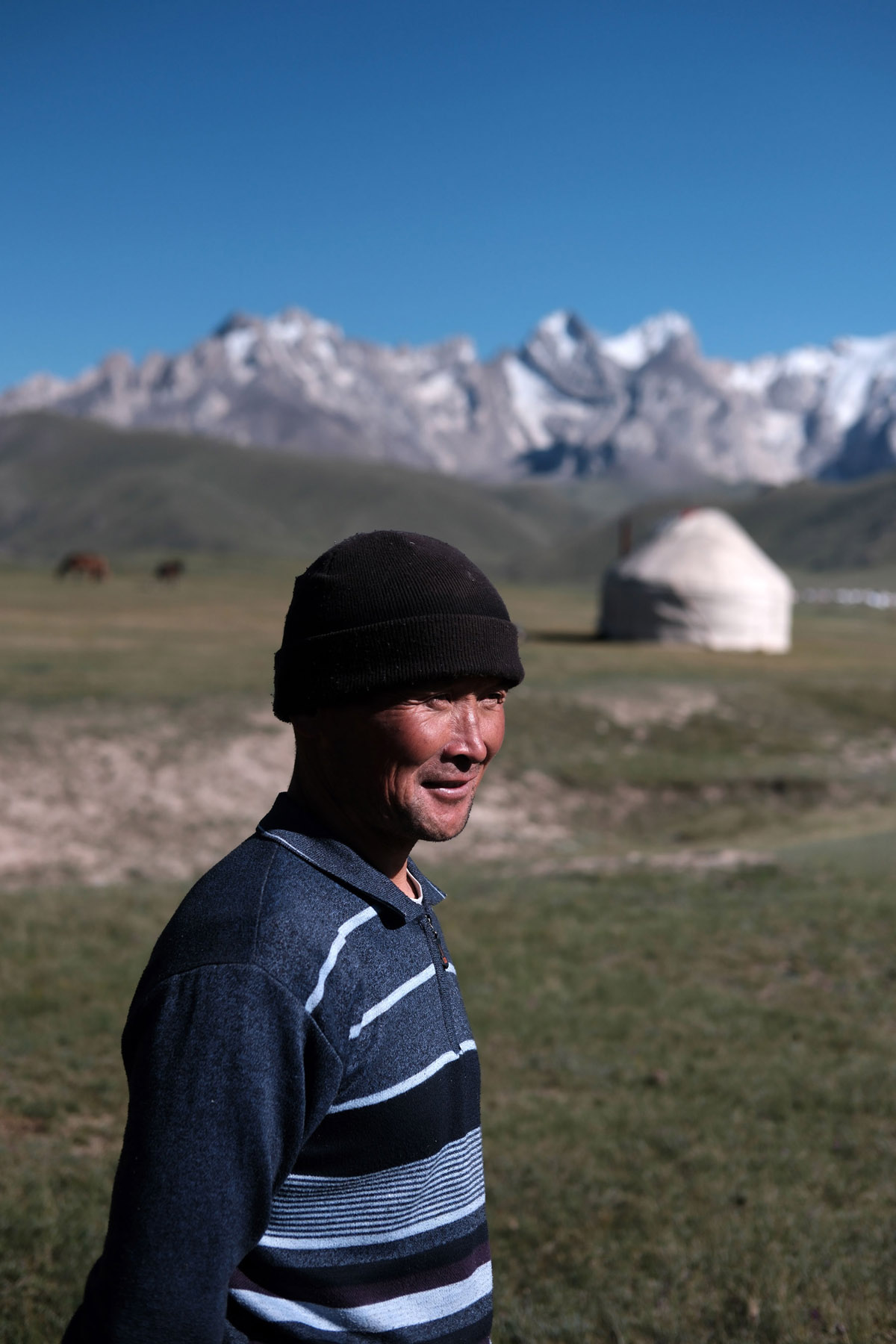
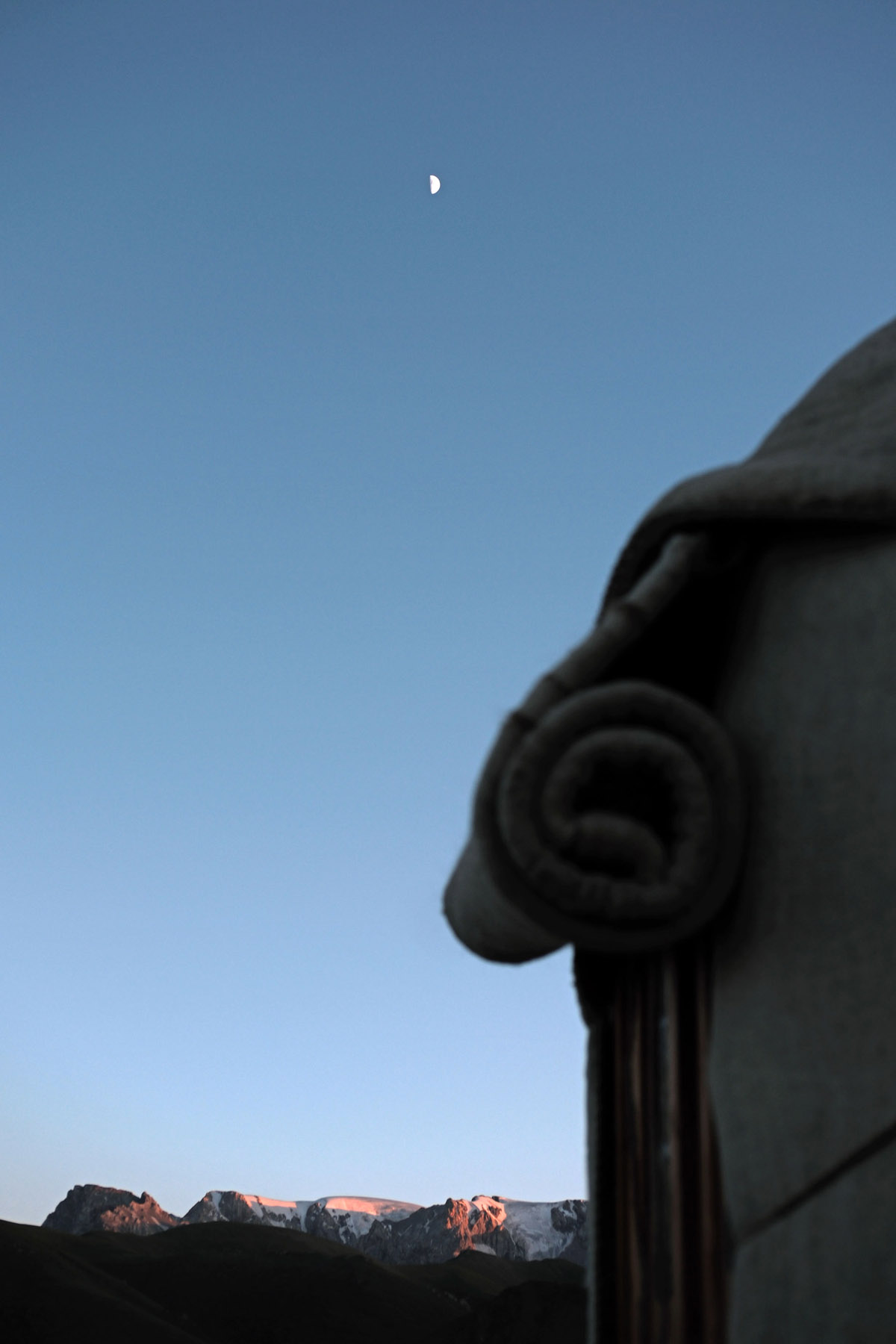
去年七月,我在吉爾吉斯斯坦旅行,到了南部的科克亞山谷(Kok-Kiya)住了一晚。那是一片遼闊的草原,草原上散落著遊牧民族的氈房,遠方是天山 。傍晚出去拍照時,遇見了一對父子。孩子大概兩三歲,小小的身影無憂無慮地在草原上跑著、踢著球,還會突然摘下一朵野花送給路過的人。那種天真無邪、毫無保留的快樂,讓我深深被感動。我還遇見了他的母親,她邀我走進他們的氈房參觀。
這段經歷,我想我會記得很久很久。旅行結束後我寫一封信給那個孩子,我把那封信收錄在我的新書裡。
I don’t really “find” things in a deliberate way. I’m very much a serendipity kind of traveller — whether it’s landscapes or stories, I tend to let them come to me.
Last July, I travelled to Kyrgyzstan and spent a night in Kok-Kiya, a valley high up in the mountains. It was vast and untamed — an open plain dotted with yurts, with the Tian Shan mountains in the background. While I was out taking photographs, I came across a father and his young son. The boy was around two years old, happily running across the plain, picking wildflowers and offering them to passersby. I was deeply touched by that moment. He was so pure, innocent, and full of joy. Later, I also met his mother, who invited me into their yurt.
The joy stayed with me for a long time. I eventually wrote a letter to the boy, which is included in my book.
跟我們談談你的新書!是什麼內容?
Tell us about your new book! What is it about?
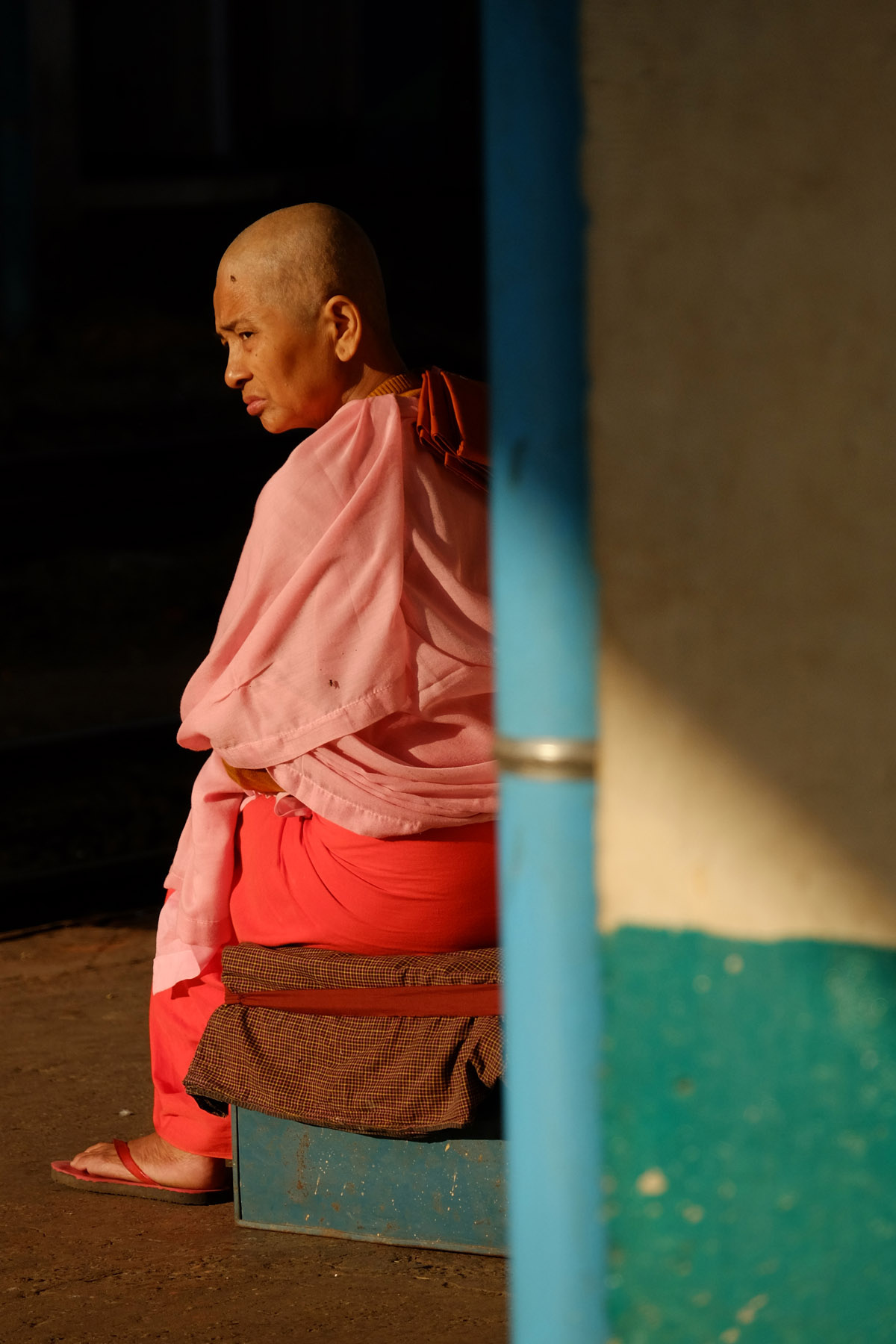
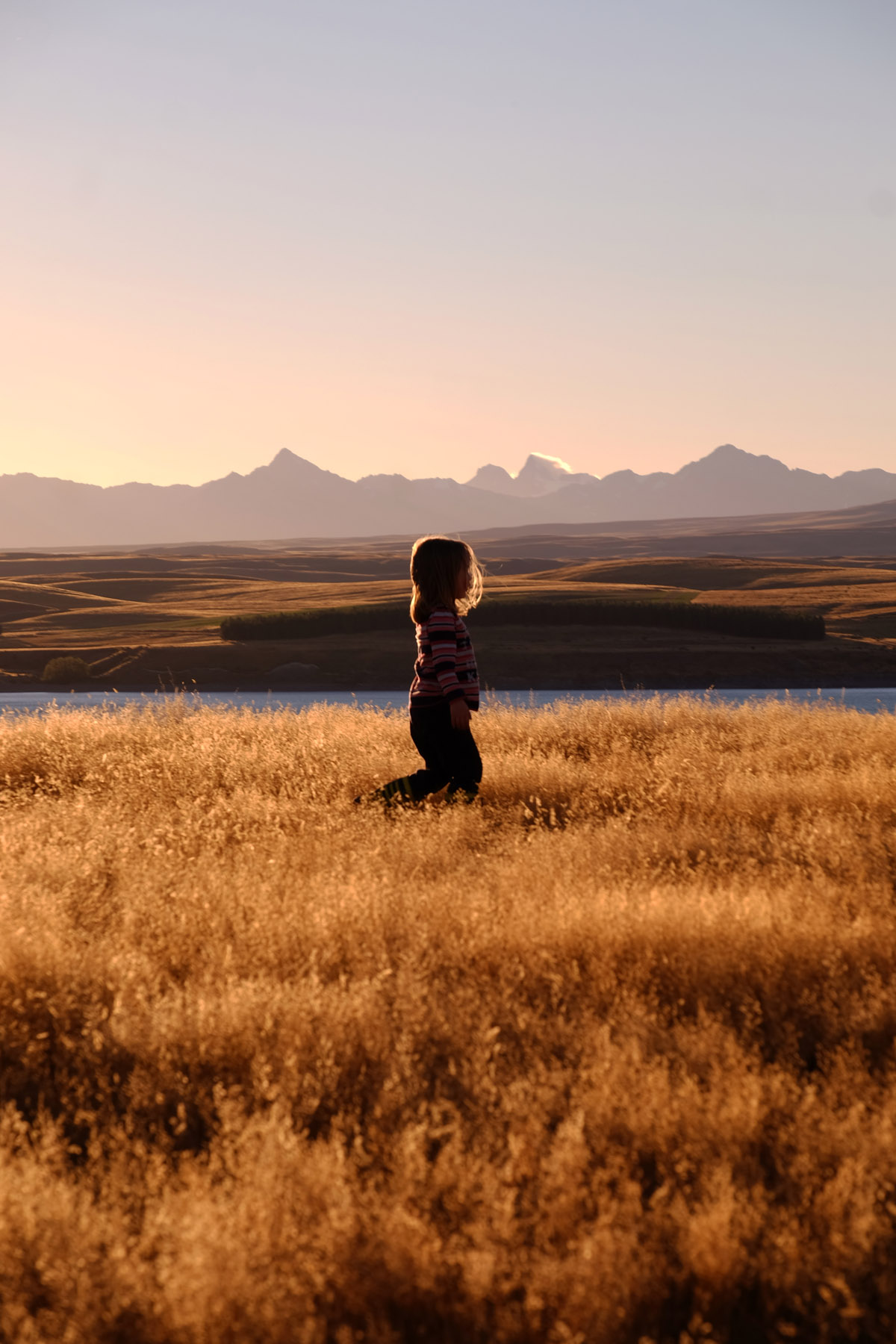
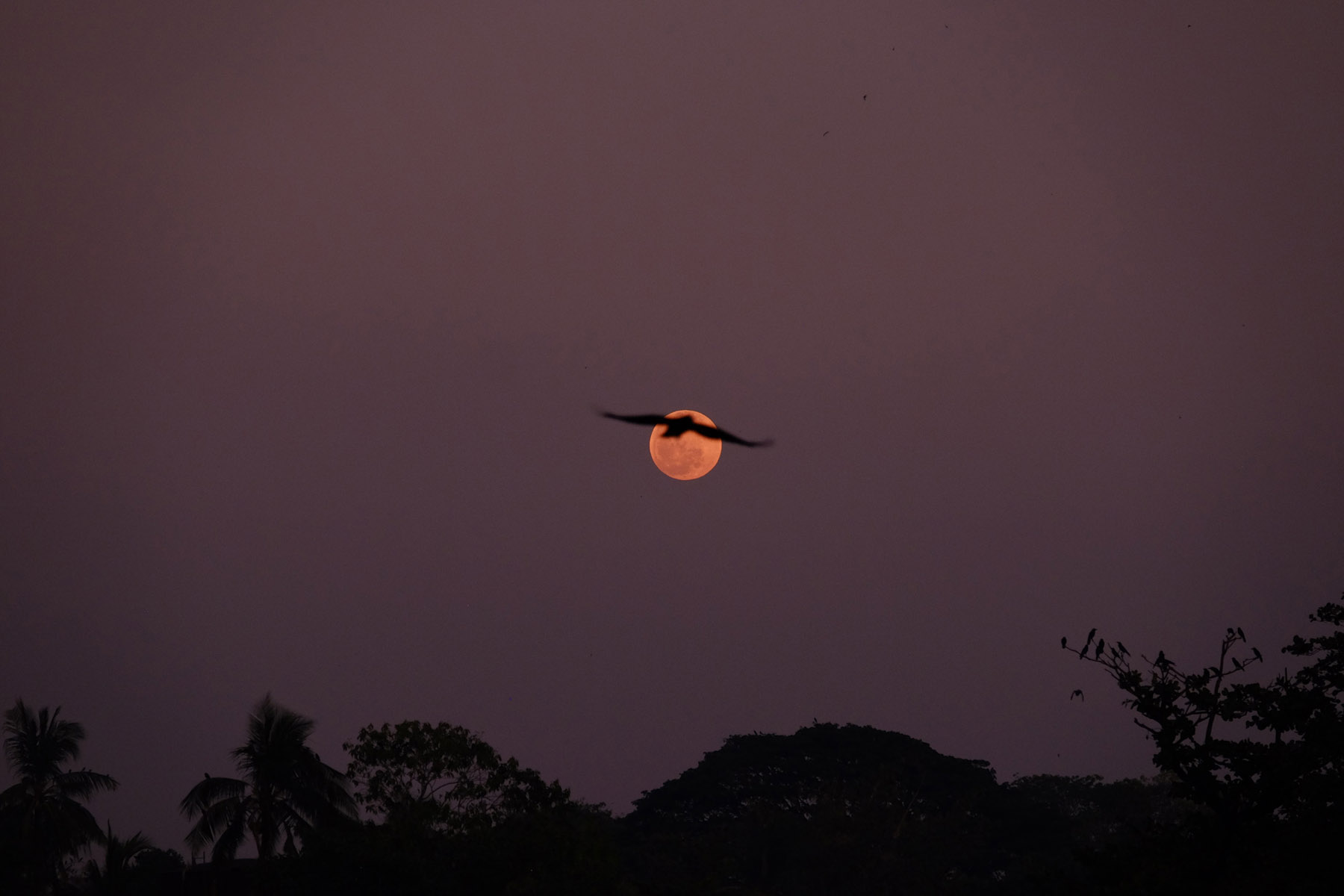
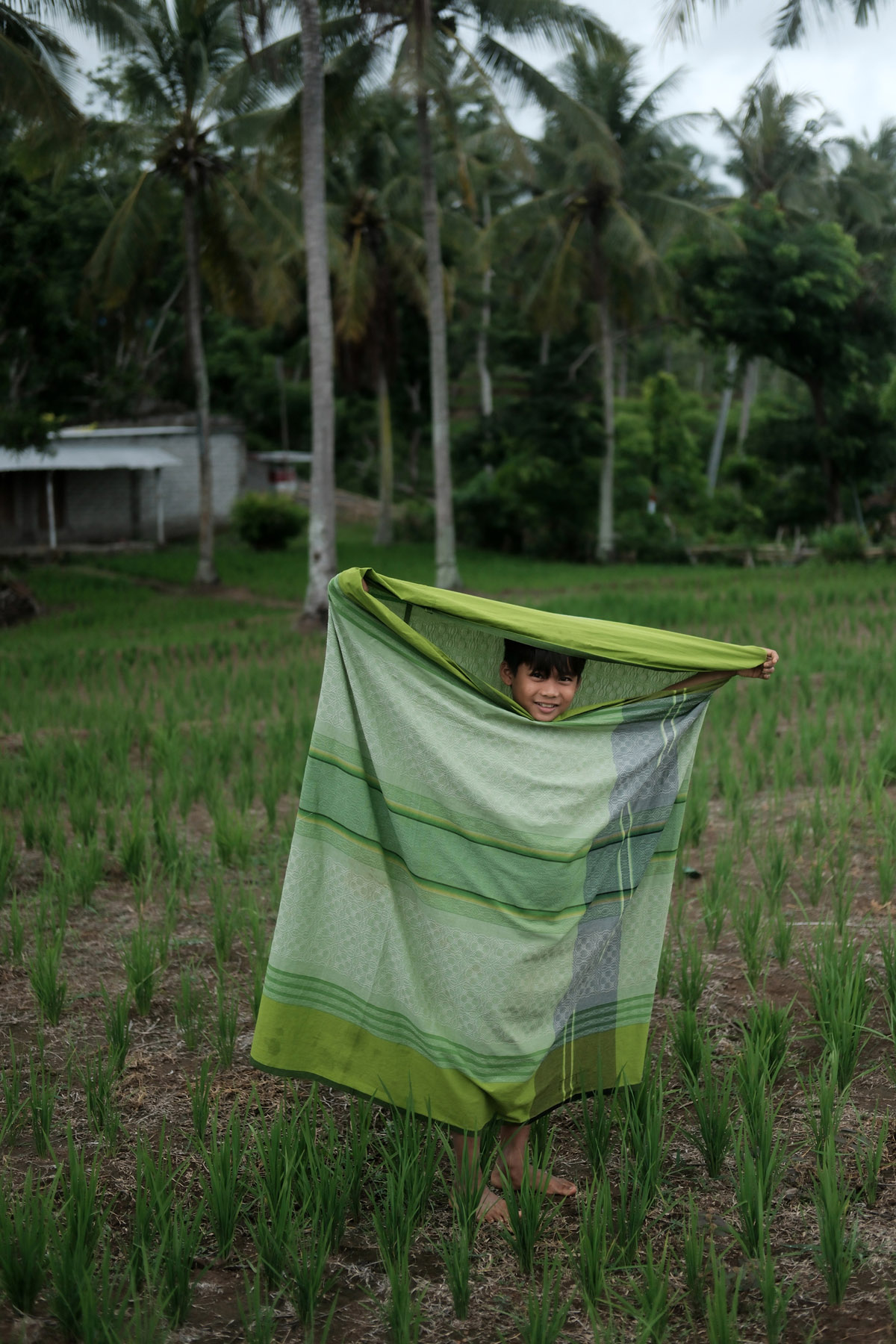
醞釀了8年的作品,我的第一本旅遊攝影文集終於問世了!《誰在縫隙裡種光》(Komorebi – Stories of Light)是我在過去八年旅行、創作的結晶,收錄了380張攝影作品,並以微型散文串連期間,地點涵蓋緬甸、伊朗、法羅群島、地中海、挪威、瑞士、格陵蘭、土耳其、新西蘭、日本、印尼、毛里求斯、埃及、塞內加爾、吉爾吉斯斯坦等17個國家,也把我在馬來西亞的家鄉收錄其中。這部作品在5月1號獲得新加坡《聯合早報》2025/26年度書選的「最佳書籍設計獎」!
After eight years of conceiving it, my first photobook has finally been published! Komorebi – Stories of Light brings together some of my most meaningful work from the past eight years, both writing and photography. The book contains around 380 photographs, accompanied by short, intimate stories gathered from 17 countries, including Myanmar, Iran, Faroe Islands, the Mediterranean, Norway, Switzerland, Greenland, Turkey, New Zealand, Japan, Indonesia, Mauritius, Egypt, Senegal and Kyrgyzstan. I’ve also included a chapter from my hometown in Malaysia. On 1 May this year, the book received the Best Book Design award from Singapore’s Lianhe Zaobao.
這本書的靈感來自哪裡?你為什麼決定創作這本書?
Where did the idea for the book come from? Why did you decide to do it?
2018年,我曾和好友一起獨立出版過一本旅遊散文集《一起旅行》。那之後,我就一直有想做一本個人攝影集的念頭。我知道自己想做的並不是一本單純展示照片的 coffee table book。我希望它能承載更多情感與故事,讓攝影不只是被觀看,而是能與讀者產生交流。無奈想了那麼多年,卻一直找不到設計上的突破。
直到2025年初,一個編輯朋友來我家喝咖啡,聊起這件事,他突然問我:「你看過《Seal》嗎?」那是一本已經停刊的文學 zine。我從書架上把它重新拿下來翻閱,那一刻,很多事情忽然串了起來。設計靈感就是這樣來的!後來回頭想想,答案其實一直都在家裡的書架上。
我常常覺得,這個世界一直在用它自己的方式運轉著。冠疫之後,很多事情都變了,人與人之間的距離、看待生活的方式,甚至連情緒,好像都和以前不太一樣,心被很多的無奈壓出一道道裂縫。我在決定出版《誰在縫隙裡種光》時,其實並沒有去想「為什麼要出版」,反而是在出版之後,才漸漸覺得:這樣的作品,似乎挺適合在人需要一點「安靜」的時候翻一翻。
Eight years ago, I co-authored a book with a dear friend titled On a Journey with You. Since then, I’ve been wanting to publish my own photobook. I knew I wanted something more than a beautiful coffee table book, but for a long time, I couldn’t quite find the breakthrough.
Early last year, an editor friend visited me and we spoke about it again. During the conversation, he mentioned Seal, an independently published (now discontinued) Malaysian literature zine. I pulled it from my bookshelf. In that moment, things started to click. It was as if the answer had been there all along.
The world, in a way, has its own timing. After the pandemic, many things have changed and nothing feels quite the same anymore. When I decided to publish Komorebi – Stories of Light last year, I didn’t really ask myself “why”. I just did it. Looking at the book now, I feel it might be what we need in moments like this —something quiet, in the midst of a chaotic world.
為什麼這本書叫《誰在縫隙裡種光 Komorebi – Stories of Light》?『光』這個概念背後有什麼特別的意義嗎?
Why is it called “Komorebi – Stories of Light”? Is there a special meaning behind the idea of ‘light’?
有了設計方向之後,我開始思考這本書真正想傳達的是什麼。我告訴自己,還是回到初心吧。
光,是攝影最基本的元素。沒有光,就沒有照片。同時,當我回望這些年的旅行時,我發現除了那些震撼的風景外,真正長久留在記憶裡的,其實是人。那些在路上遇見的善良的人、願意讓我拍的陌生人,都像一道光,在旅途中照亮過我。於是,我決定用「光」作為整本作品的核心。
至於英文書名,其實想了很久。我一直找不到一個真正能對應《誰在縫隙裡種光》氣質的英文名字。後來想到電影《Perfect Days》裡出現過的「Komorebi」—— 從樹葉縫隙間灑落下來的陽光,安靜、溫柔,卻真實地存在著,很像書裡那些微小卻明亮的「光的故事」。
After I finalised the design direction, I started thinking more deeply about what I wanted the title to express. I told myself to go back to what I hold closest to heart.
Light. It is the most fundamental element in photography — without it, there is no image. When I reflect on my years of travel, what has truly stayed with me are not just the landscapes, but the people I’ve met along the way. In many ways, they are the light in my journey. I wanted to tell their stories.
The English title is not a direct translation of the Chinese title. Rather, it was inspired by the film Perfect Days. It is a slow film, but its ending left a strong impression on me. I felt its mood resonated closely with the Chinese title. Hence, Komorebi – Stories of Light.
這本書有什麼特別之處?
What’s special about the book?
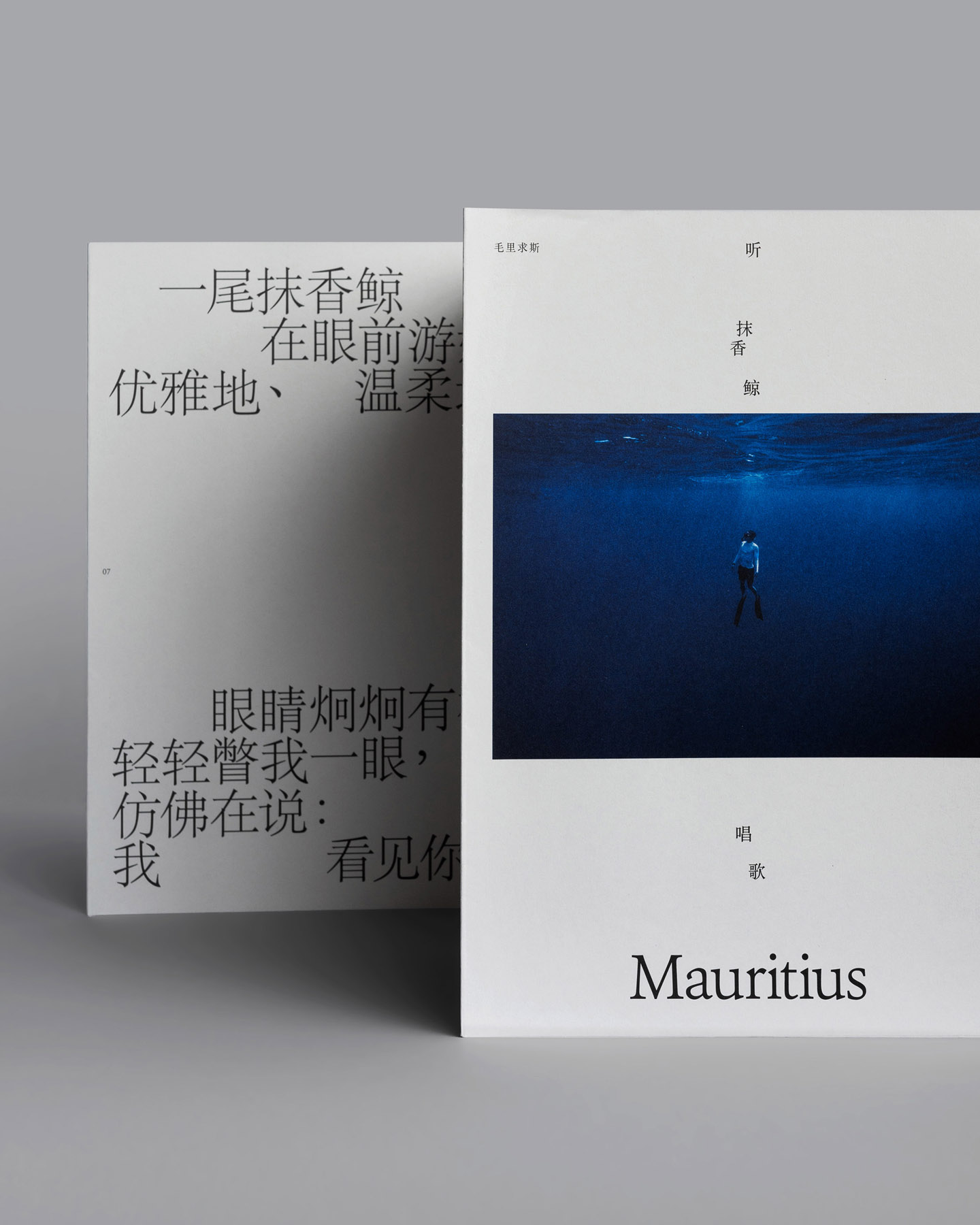
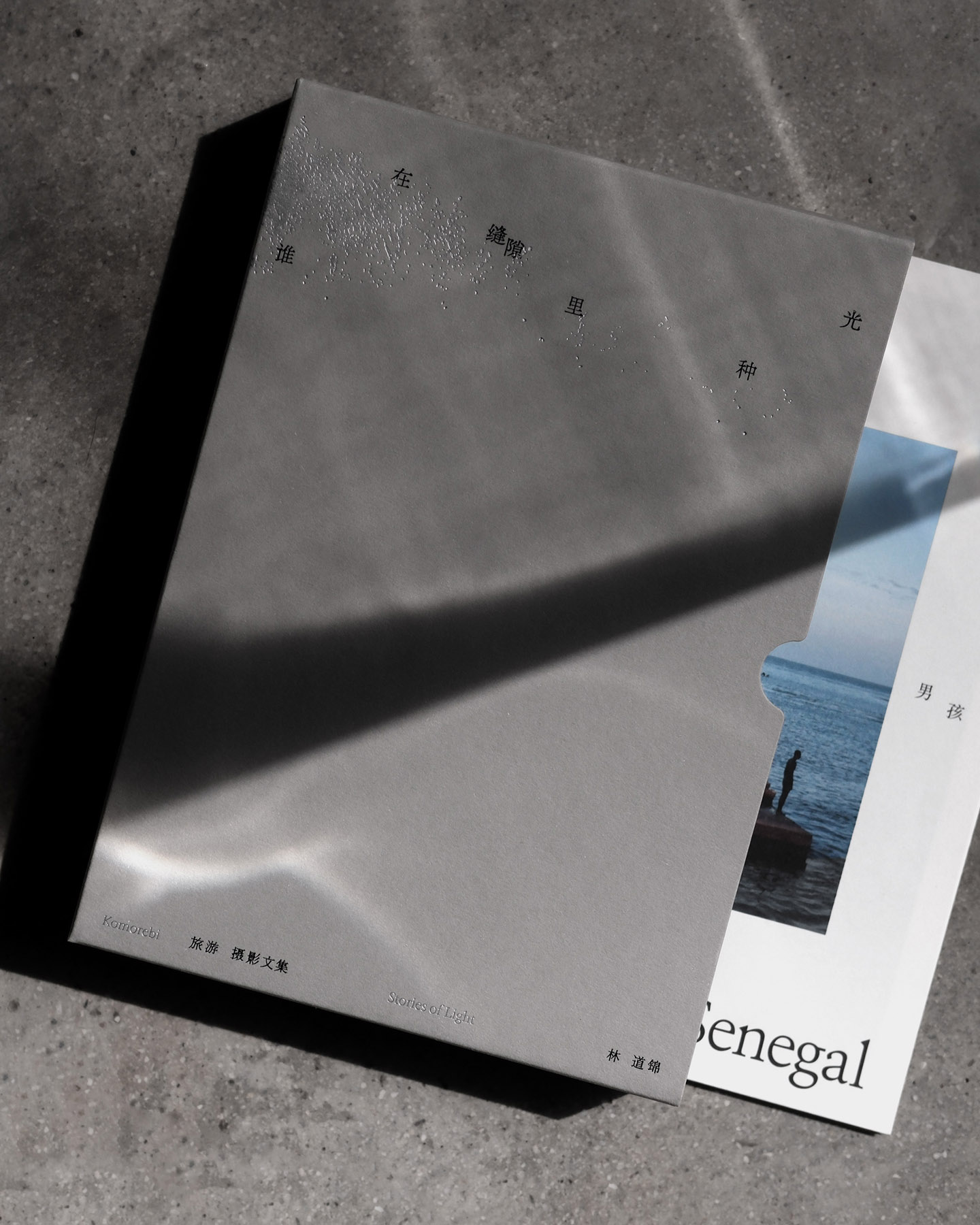
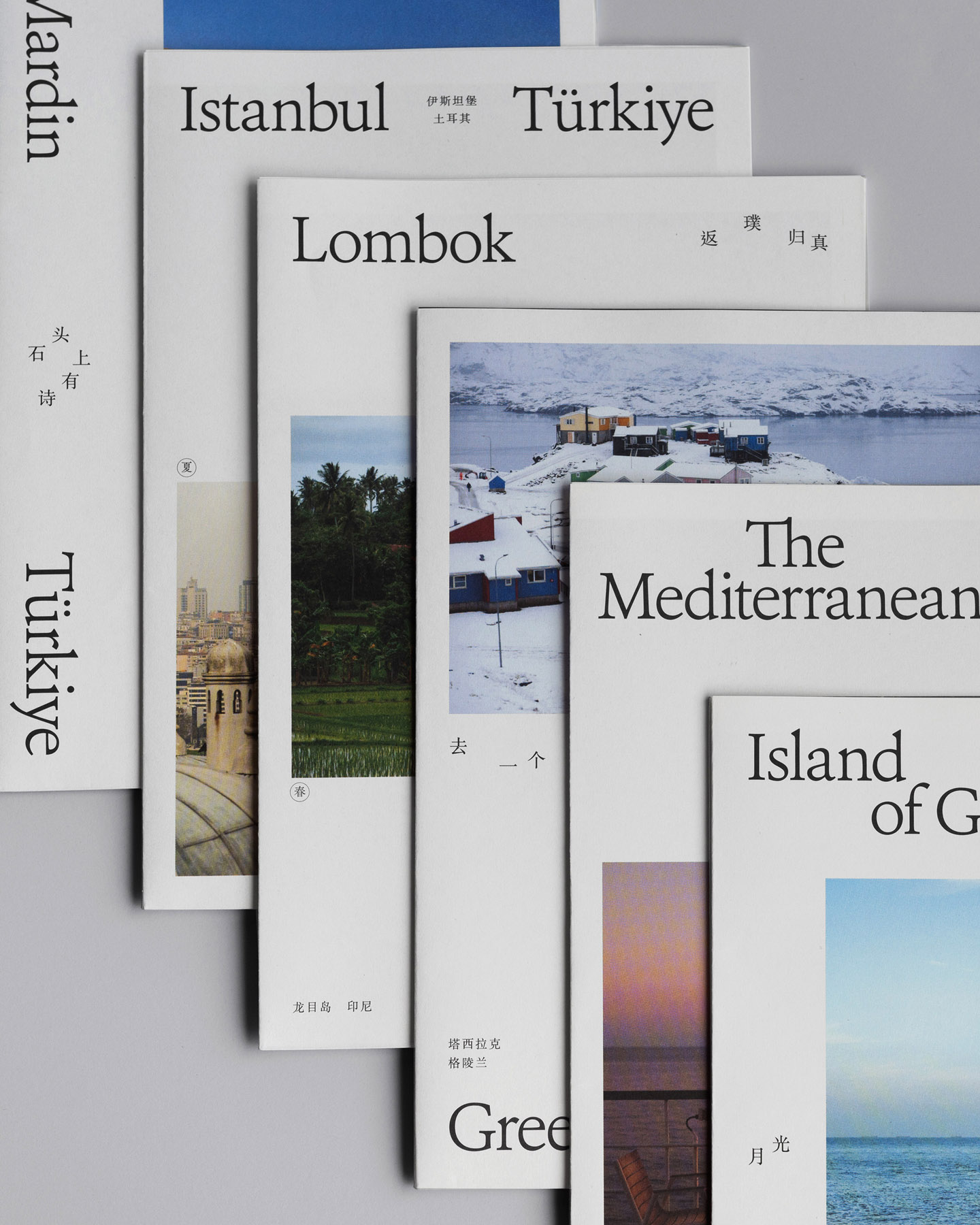
這是一本外型像書,但又不完全是書的作品。我把傳統書籍的結構拆解了。整本書由24張海報組成,透過手工(是人工完成的!)摺壓,將B2尺寸(50 cm x 70.4 cm)的紙張折成B5大小(17.6 cm x 25 cm),一張海報,一個故事。我再設計了一個封盒,把24張海報裝在裡面,讀者可隨意抽取一張,既能像書本一樣逐頁翻閱文字與圖像,也能把紙張完全展開,呈現完整的大幅海報畫面。
在設計概念上,我一直想保留兩種正在慢慢消失的紙張記憶:報紙與月曆。把紙頁攤開展示海報的過程,像看報紙;而當一張張影像被取出、甚至被掛在牆上時,又像月曆一樣,成為日常裡的一部分。
Think of it as a “deconstructed book”. From the outside, it looks like a conventional book. However, it is made up of 24 sheets of B2-sized (50 cm x 70.4 cm) paper, each hand-folded into a B5-sized (17.6 cm x 25 cm) chapter. Every chapter contains an intimate short story accompanied by visuals. When unfolded, each piece reveals a full-sized poster on the reverse side. The 24 chapters are then encased in a specially designed slipcase.
There is also a sense of nostalgia embedded in the design. As you unfold each sheet, it feels like reading a newspaper. And if you choose to hang the posters on a wall, it echoes the experience of an old calendar, something many of us grew up with.
你希望讀者能從這本書中獲得什麼?
What do you hope for readers to get out of your book?
微笑。然後,繼續對這世界存有好奇和幻想。
I hope it brings a smile to your face. And that after reading these stories, you’ll continue to be curious about this chaotic world.
經過這麼多年的旅行,你覺得自己有什麼樣的改變?
After many years of travel, has travel changed you as a person?
我倒希望自己不要改變太多,希望自己仍然對世界保有好奇和一點希望,像我曾經去過一些在世俗標準裡被認為「落後」的地方,但那裡的人依然善良和熱情。我想保留的,大概就是那種還能被世界觸動的心吧。
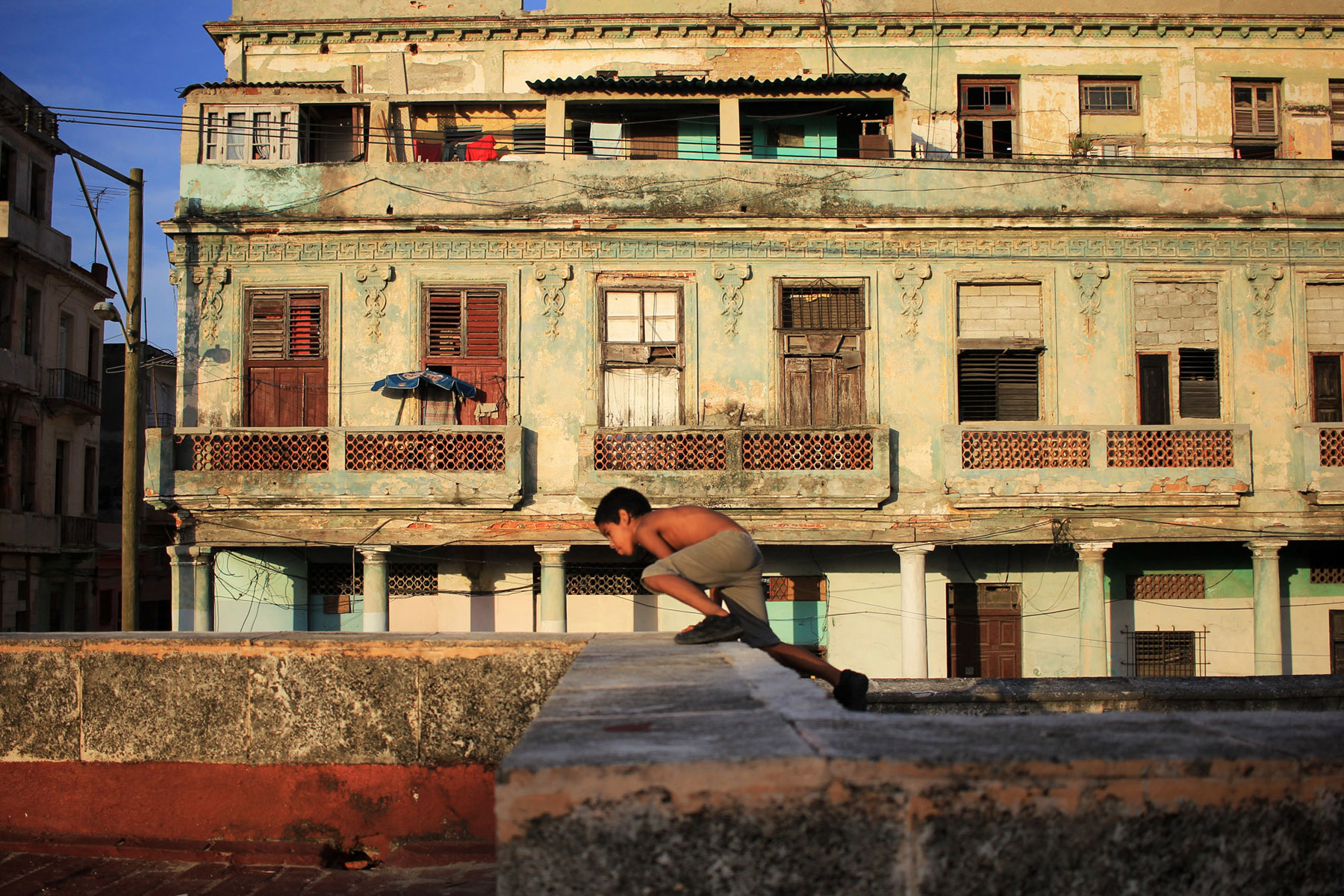
I hope I’ve remained the same — still curious, and still trying to see things in a positive light. I often think of places such as Myanmar, Cuba, and Iran, which are often described as “developing” countries. But the people I met there were kind and genuine. That is something I hope has stayed with me.
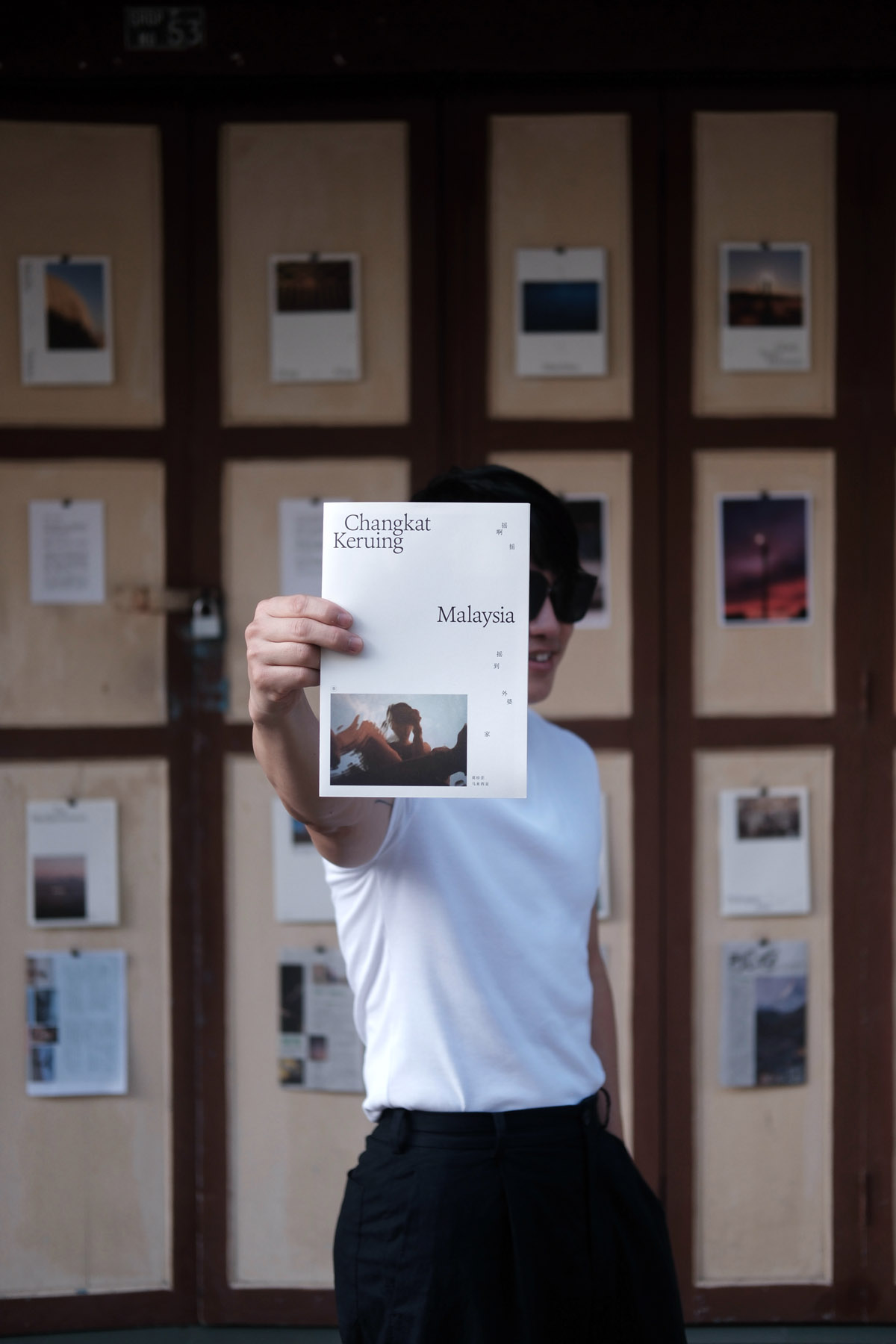
LING DOH KIN 林道錦,馬來西亞生, 新加坡駐(而不是蛀) 二十餘年( 行了, 別猜他的年齡了)。當過《Baywatch》電影裡那樣的救生員(當然不是演的),《The Devil Wears Prada》不踩高跟鞋的時尚公關。 2010年創辦電子旅遊雜誌《大腳印》(www.bigfoottraveller.com)。在旅行路上獵奇,在生活裡寫出故事,作品散見新馬兩地中英文報章雜誌。 2018年和好友「那朵雲」合著《一起旅行》,走著飄著竟在芸芸眾生中得了個年度圖書大獎。最新作品《誰在縫隙裡種光 Komorebi – Stories of Light》榮獲新加坡《聯合早報》2025/26年度書選「最佳書籍設計獎」。不在旅行路上的日常,八點健身,六點吃飯,十點睡覺。
LING DOH KIN is a travel photographer, award-winning author, and founder of Bigfoottraveller.com, an online travel magazine inspiring young adults to explore the world. Since leaving corporate life in 2009, he has traveled to over 50 countries, capturing local cultures, fleeting human moments, and the poetry of light. His work has been featured in Condé Nast Traveler (China), Vogue Taiwan, and National Geographic Traveller (India). His debut book On a Journey With You won the National Library of Malaysia Book Award in 2020. His latest folded odyssey Komorebi – Stories of Light is the winner of Singapore’s Lianhe Zaobao 2025/26 Book Award – Best Book Design.
Instagram: @lingdohkin
電郵 Email:lingdohkin@gmail.com
新書 New Book:www.lingdohkin.com/book